New customer offer: 20% off your first wholesale order.New customer offer: 20% off your first order.Contact sales
01Materials

Every material has a reason to be chosen.

Our product range includes cotton, bamboo viscose, lyocell, Ingeo™ PLA, linen, hemp fiber, and wool. We choose each material for the comfort and function it brings to a product, while considering its source, manufacturing process, and documented environmental characteristics. Ask us about corresponding products and available samples.

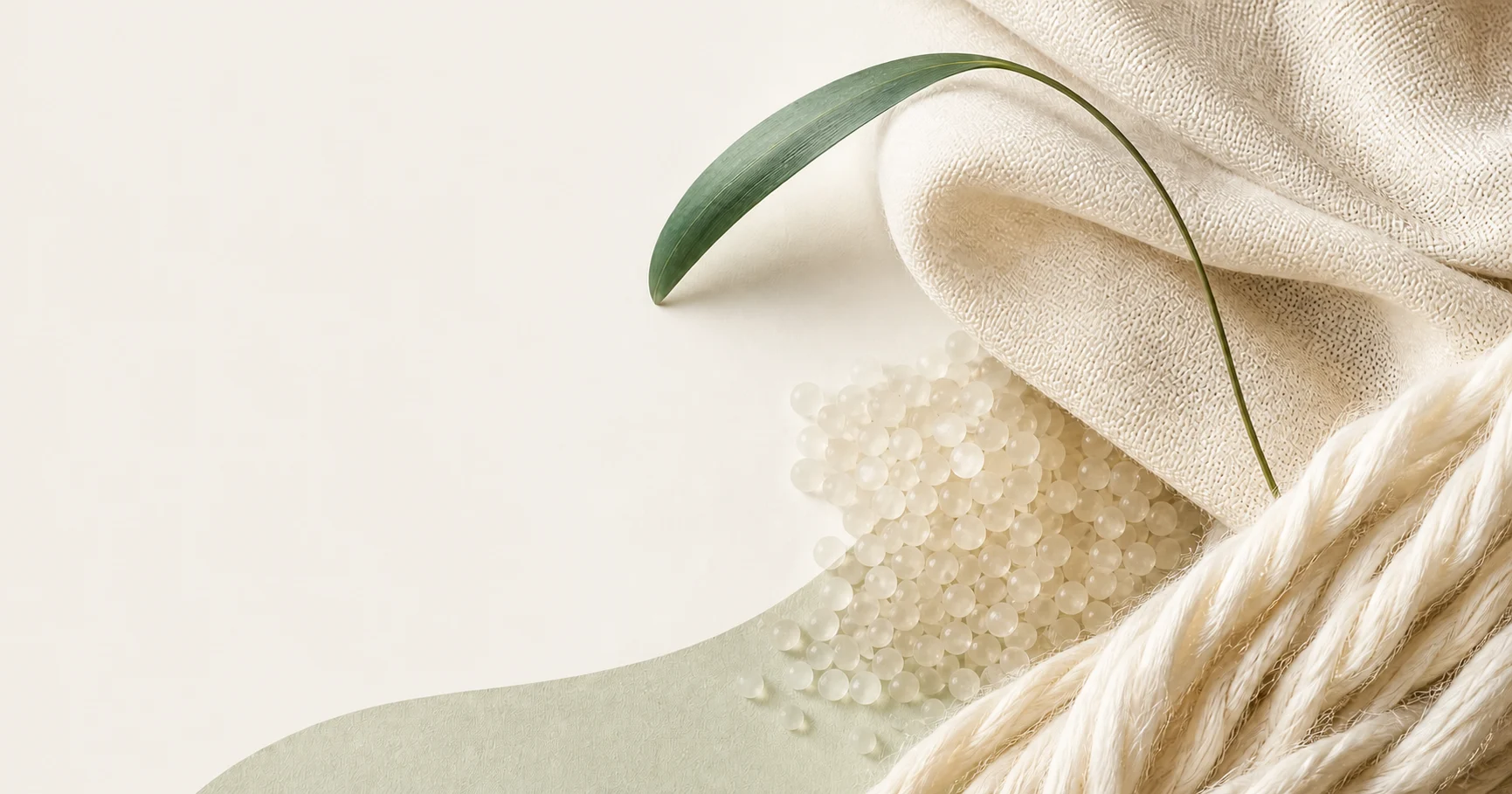
A composition of woven textile, loose natural fibers, plant foliage, and polymer pellets
C&H Me / Material-led textile solutions
Our starting point

The product decides what the material needs to do.

Natural plant and animal fibers, regenerated cellulose, and plant-derived PLA each solve a different part of the brief. We compare them through the experience they create, the performance they deliver, and the evidence behind their environmental story.

  1. 01Close to the body

    Softness, moisture management, and a comfortable hand matter most for sheets, duvet covers, pillowcases, and other skin-contact products.

  2. 02Comfort through the seasons

    Breathability, drying, warmth, and temperature and humidity response help determine how a textile feels across climates and uses.

  3. 03Made for a longer life

    Fiber strength, construction, care, and durability are considered together so the product can perform well beyond its first impression.

Seven materials.
Seven distinct strengths.

There is no universal “best” fiber. The right choice is the one whose feel, function, sourcing, and manufacturing context make sense for the intended product.

01

Cotton

Natural comfort, made for everyday life

In the home

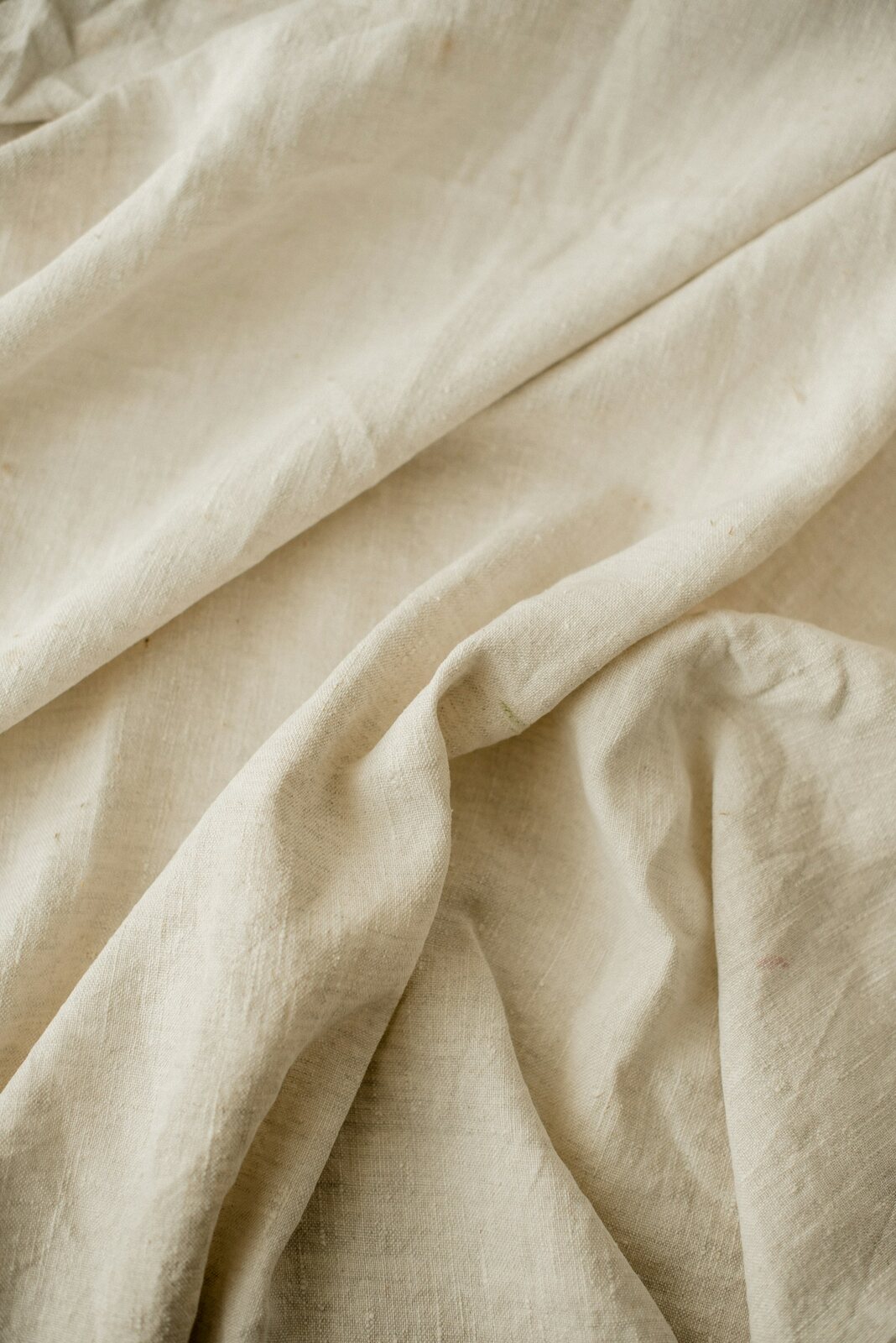
Cotton is soft, absorbent, and breathable—a lasting choice for textiles used close to the body. Long-staple cotton can create finer, more even, and durable yarns; genuine Sea Island cotton is an exceptional extra-long-staple variety with a smooth hand and natural luster; washed cotton has a relaxed softness and naturally creased appearance.

Environmental profile

Cotton is a renewable, plant-derived cellulose fiber and can biodegrade under suitable biologically active conditions. The durability offered by high-quality long fibers can also help extend a textile’s useful life.
02

Bamboo Viscose

Softness derived from bamboo cellulose

In the home

Bamboo is a fast-growing source of renewable cellulose. Through a regenerated-fiber process, it becomes a smooth, absorbent material with a fluid drape, bringing a light and refined feel to sheets, duvet covers, and other skin-contact textiles.

Environmental profile

We pay attention to the traceability of the bamboo source and the manufacturing process, so the story behind the softness is supported by clearer material information.

03

Lyocell

Smooth, absorbent, and naturally fresh

In the home

Made from wood cellulose, lyocell has a fine, smooth surface, absorbs moisture, and falls with a natural drape. It often feels cool and fresh against the skin, making it well suited to sheets, duvet covers, and pillowcases.

Environmental profile

Lyocell is produced through a direct dissolution and regeneration process. Production systems can improve resource efficiency by recovering solvent. We prioritize traceable wood sources and supply chains with clear environmental documentation.

04

Ingeo™ PLA

Lightweight performance from plant-derived inputs

In the home

Ingeo™ PLA is light, lofty, and resilient. Its low moisture regain means water is less likely to remain in the fiber, supporting a fresh feel and faster drying. It is especially suited to filling applications such as comforters and pillows.

Environmental profile

We use Ingeo™ PLA material produced in the United States from renewable plant inputs. Designated resin grades are BPI certified for commercial composting and meet relevant ASTM D6400 requirements for biodegradation, disintegration, and compost safety under controlled industrial conditions.

05

Linen

Breathable, relaxed, and better with time

In the home

Linen is a natural plant bast fiber that absorbs and releases moisture quickly for a dry, breathable feel. Strong and durable, it softens with washing and use, while its irregular texture and natural creases create an unmistakably relaxed character.

Environmental profile

Linen can biodegrade under suitable conditions. Its strength and long useful life bring lasting value to a material known for its natural texture.

06

Hemp Fiber

Naturally strong, gradually softer

In the home

Hemp fiber is a plant-derived bast fiber with strength, absorbency, and breathability. Its honest, natural texture begins with a slightly crisp hand and becomes softer through washing and use.

Environmental profile

Hemp fiber comes from a relatively short-cycle crop and can biodegrade under suitable conditions. Its strength and durability can help the material remain useful for longer.

07

Wool

Natural warmth with built-in moisture regulation

In the home

Wool’s natural crimp traps pockets of still air, creating light, stable insulation with resilient loft. It can absorb and slowly release water vapor to help regulate temperature and humidity around the body, while its natural flame-resistant tendency means it does not readily sustain burning. Fine wool and merino offer a softer hand for comforters, mattress toppers, blankets, and winter textiles where closer contact matters.

Environmental profile

Wool is a naturally renewable animal protein fiber that can be gathered through periodic shearing. It can biodegrade under suitable soil and composting conditions, while its durability and resilience can help extend product life. We prioritize farm origin, animal welfare, and supply-chain traceability.

Professional selection

We look beyond a simple label.

Our recommendation starts with the people using the product, then balances performance, compliance, environmental context, cost, timing, and production feasibility.

Use

What the textile must do in daily life.

Touch

Hand feel, loft, weight, and skin contact.

Care

Moisture, drying, washing, and stain needs.

Safety

Chemical, flame, contact, and market requirements.

Impact

Source, manufacturing, durability, and end-of-life context.

Commercial fit

Volume, cost, timing, and production feasibility.

Close view of a custom woven fabric
From analysis to fabric

A fiber is only the beginning.

The final experience also depends on yarn structure, fabric construction, dyeing, and finishing.

Once the material route is chosen, we define the hand feel, color, construction, care, and performance requirements. C&H Me coordinates the technical brief, sampling, adjustment, relevant testing, and production readiness so the material is shaped around its intended end product.

AnalyzeUse, comfort, care, and commercial needs
SpecifyFiber, yarn, construction, finish, and tests
ProduceDedicated fabric, filling, or finished-product production
Clarity & proof

Specific information for specific materials.

Traceable sources and processes

We prioritize supply chains that can identify raw-material sources, explain manufacturing routes, and provide documentation relevant to the material being considered.

Claims with clear boundaries

Environmental and performance statements are reviewed against the selected material, product construction, certification scope, and test data. A characteristic of a raw material does not automatically apply to every finished product.

Claims and certifications apply only to the specified material or product and its supporting documentation. BPI certification for Ingeo™ PLA applies to designated resin grades under controlled commercial-composting conditions.

Talk with C&H Me about your textile program.